


ADHD / ADD Therapy

About ADHD (Attention-Deficit/Hyperactivity Disorder): 4 Proven Ways ADHD Therapy Brings Clarity

Adult ADHD affects focus, follow-through, emotion regulation, and confidence. Specialized ADHD therapy helps you build systems that work for your brain, reduce shame, and turn chaos into clarity. If you’ve been masking or struggling in silence, you’re not alone—and you don’t have to keep white-knuckling it.

About ADHD (Attention-Deficit/Hyperactivity Disorder)

ADHD is heavily misunderstood and often carries unfair labels like “lazy,” “argumentative,” or “forgetful.” But ADHD isn’t about a lack of motivation—it’s simply about how your unique brain operates.

Here’s the key: ADHD isn’t an “attention issue.” It’s a motivational challenge caused by differences in brain chemistry, which is why standard self-help tools don’t stick and why targeted ADHD therapy is so vital for real change.

How the ADHD Brain Works—And How ADHD Therapy Helps

In a “neurotypical” brain, completing small tasks (like reading a sentence) triggers a steady “dopamine drip,” which helps with motivation and focus. ADHD brains don’t get this same reward. Understanding this unique neurological difference is a foundational step in ADHD therapy. To make up for this natural chemical gap, people with ADHD routinely seek dopamine through behaviors like:

  • Multitasking: Juggling several things at once to keep the brain engaged.

  • Fidgeting or moving around: Using physical movement to stimulate focus.

  • Switching tasks quickly: Moving on as soon as the initial novelty wears off.

  • Finding high-stimulation activities: Seeking out tasks that feel inherently exciting or urgent.

List highlighting common adult ADHD effects used as a resource for ADHD therapy.

Want to learn more?

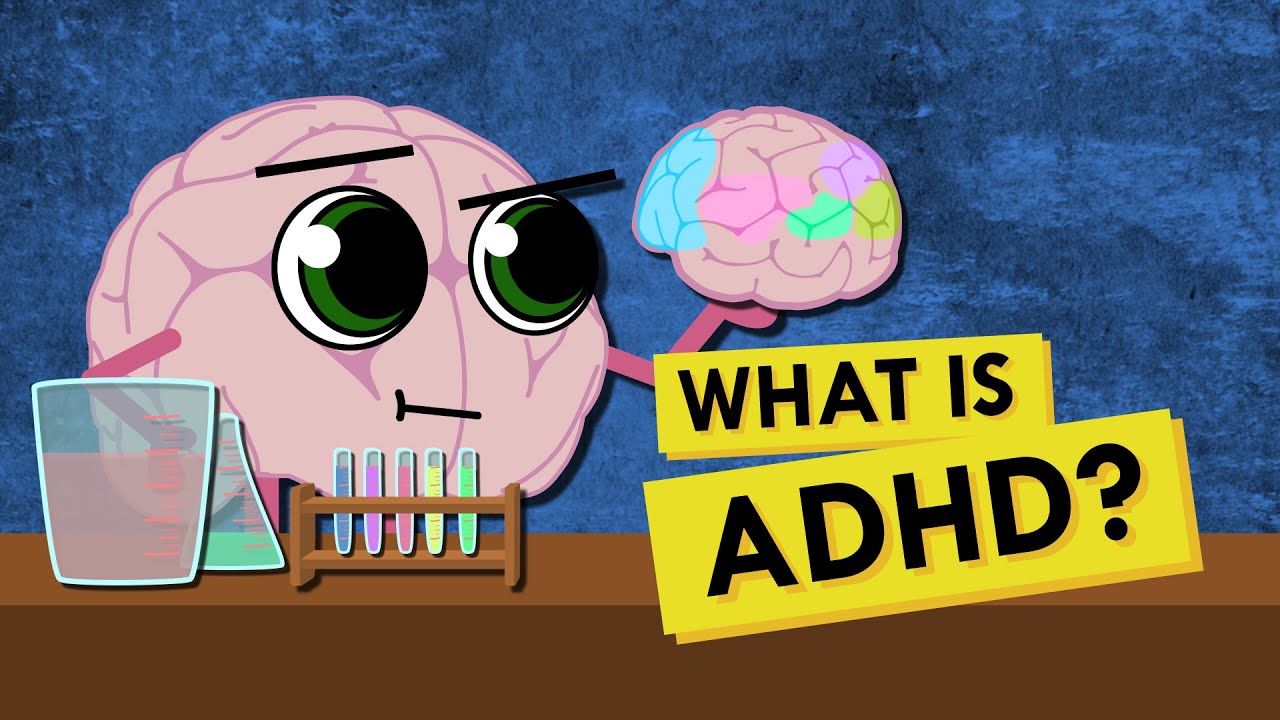
This short video offers a helpful overview of how ADHD shapes thinking, behavior, and daily life—highlighting both the challenges and the unique strengths that come with it.

What is ADHD?

What ADHD Therapy Looks Like

Reach Out and Connect

Contact us to schedule an intake session. This is your first step in building a plan that works for you.

Understand Your ADHD

We'll dive into your symptoms and how ADHD has shaped your life—both the challenges and the strengths.

Build on What Works

Together, we'll explore tools and strategies you've tried before, what's been helpful, and what hasn't. Using research-backed psychoeducation, I'll show you why certain methods work for ADHD.

Create Systems That Fit You

Mike Shihadeh will help design routines and strategies that match how your brain works. No one-size-fits-all solutions—just systems that bring consistency and calm to your daily life, without disrupting what's important.

Harness Your ADHD Superpowers

ADHD comes with unique strengths like creativity, energy, and hyperfocus. We'll lean into these advantages and use them to your benefit in work, relationships, and personal growth.

The Challenges and Strengths of ADHD

Learn about the common struggles and surprising strengths that come with living with ADHD.

Challeges

ADHD brains struggle with time perception, often underestimating how long tasks take. This can lead to lateness, even when trying hard to be on time.

The ADHD brain has trouble with executive functions like planning and prioritizing. This makes it harder to structure tasks and can lead to missed deadlines or incomplete responsibilities.

ADHD affects attention and impulse control, which may cause missed cues or sudden reactions. This can frustrate loved ones and create tension in communication.

Strengths

ADHD often comes with the ability to see unique solutions and think innovatively. Together, we'll channel your creativity into structured approaches, like brainstorming strategies and project planning, that align with your goals. And tickle your brain in a way that keeps you motivated to continue.

Cognitive dynamism means having a brain that's naturally creative and adaptable. It's the ability to connect ideas, solve problems, and think outside the box in ways that others might not. People with ADHD often have this strength, which allows them to come up with unique solutions and tackle challenges with fresh perspectives.

In simple terms, it's like your brain is wired to see possibilities and opportunities that others might miss, making you a natural innovator and problem-solver.

ADHD affects attention and impulse control, which may cause missed cues or sudden reactions. This can frustrate loved ones and create tension in communication.

Frequently Asked Questions About ADHD

No, ADHD doesn't disappear with age. Many adults live with undiagnosed ADHD, struggling with work, relationships, and daily life.

ADHD is a neurological condition, not a lack of effort. It affects planning, organizing, and time management. Therapy provides tools to work with your brain, not against it.

ADHD causes fluctuating attention. Many people with ADHD experience "hyperfocus," where they become deeply absorbed in tasks they enjoy. Therapy can help harness hyperfocus as a strength.

Arguments may feel stimulating due to dopamine release. Frustration from feeling unheard can escalate disagreements. Therapy can help with emotional regulation and communication skills.

Premarital counseling is designed for engaged couples, but long-term partners can also benefit.

Medication helps, but it's not the only option. Therapy, routines, and behavioral strategies also play a huge role in managing ADHD. The most effective treatment combines both medication and psychotherapy.

Scroll to Top

Contact Us

Therapy By You
31600 Telegraph Rd., Ste. 280
Bingham Farms, MI 48025

=
Please answer question to help us eliminate spam.